


Can impregnated glass be used in electronic devices?
In the ever - evolving landscape of electronic devices, the choice of materials plays a crucial role in determining the performance, durability, and overall user experience. As a supplier of impregnated glass, I am often asked whether impregnated glass can be used in electronic devices. In this blog, we will explore the properties of impregnated glass and its potential applications in the electronics industry.
Properties of Impregnated Glass
Impregnated glass is a type of glass that has been treated with special substances to enhance its properties. One of the key features of impregnated glass is its improved strength. Through a process of impregnation, the glass can withstand higher levels of stress and impact compared to regular glass. This is particularly important in electronic devices, which are often subject to accidental drops and bumps.
Another significant property is its chemical resistance. Impregnated glass can resist the effects of various chemicals, including solvents, acids, and alkalis. This makes it suitable for use in electronic devices that may come into contact with different substances during their operation or maintenance.
Moreover, impregnated glass can have enhanced optical properties. It can be designed to have a high level of transparency, which is essential for displays in electronic devices such as smartphones, tablets, and laptops. The clarity of the glass ensures that users can have a clear view of the content on the screen.
Potential Applications in Electronic Devices
Display Screens
One of the most obvious applications of impregnated glass in electronic devices is in display screens. The high - strength and optical clarity of impregnated glass make it an ideal choice for protecting the delicate display components. For example, in smartphones, the front glass is often the first line of defense against scratches and impacts. Impregnated glass can provide better protection while maintaining excellent visual quality.
We offer Heat Resistant Glass Sheet, which can be used in display screens of electronic devices that generate a significant amount of heat. This type of glass can withstand high temperatures without losing its structural integrity or optical properties, ensuring the long - term performance of the display.
Touchscreens
Touchscreens have become ubiquitous in modern electronic devices. Impregnated glass can be used to enhance the functionality and durability of touchscreens. Its smooth surface allows for easy touch interaction, and the enhanced strength can prevent damage from repeated touch and pressure. Our Prevent Fingerprints Glass is a great option for touchscreens. It has a special coating that reduces the visibility of fingerprints, keeping the screen clean and clear for a better user experience.
Enclosures
Electronic devices often require enclosures to protect their internal components from environmental factors such as dust, moisture, and mechanical damage. Impregnated glass can be used to create enclosures that are both aesthetically pleasing and functional. Its chemical resistance makes it suitable for use in harsh environments, and its strength can ensure the long - term protection of the device.
Advantages of Using Impregnated Glass in Electronic Devices
Durability
As mentioned earlier, the enhanced strength of impregnated glass makes electronic devices more durable. This reduces the risk of damage during normal use, which can lead to lower repair and replacement costs for consumers. In addition, the chemical resistance of the glass can prevent corrosion and degradation of the device over time.

Aesthetics
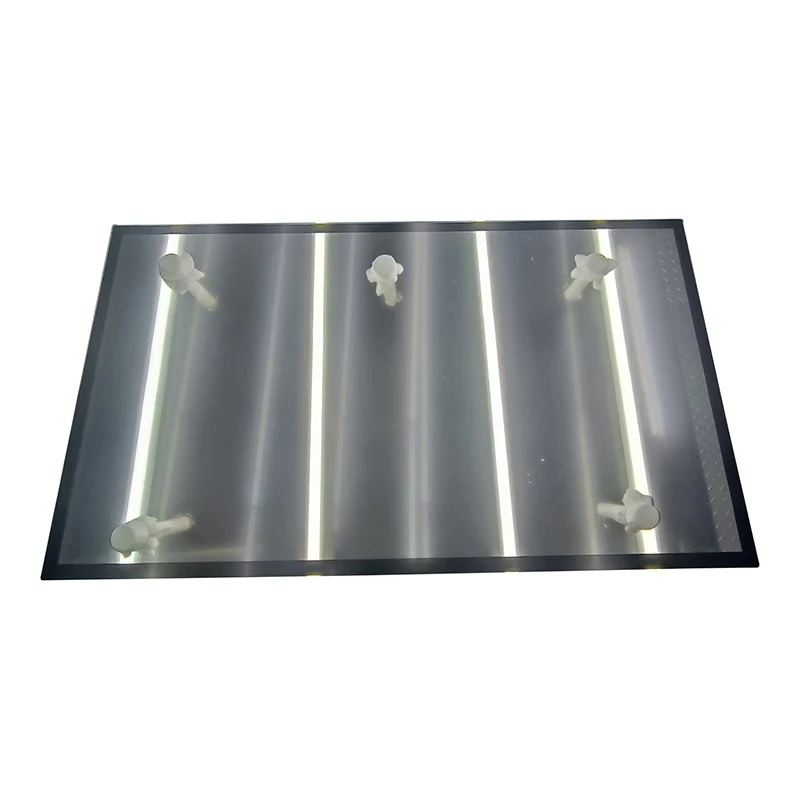
Impregnated glass can be designed to have a sleek and modern appearance, which can enhance the overall aesthetics of electronic devices. The high - transparency and smooth surface of the glass can give the device a premium look and feel, making it more attractive to consumers.
Performance
The optical properties of impregnated glass can improve the performance of electronic devices. For example, in display screens, the high clarity of the glass can enhance the color accuracy and sharpness of the image, providing a better visual experience for users.
Challenges and Considerations
While impregnated glass offers many advantages for electronic devices, there are also some challenges and considerations. One of the main challenges is the cost. The process of impregnating glass can be more expensive than traditional glass manufacturing methods, which may increase the overall cost of the electronic device.
Another consideration is the compatibility with other components in the device. The impregnated glass needs to be compatible with the electronic components, such as the display panel and touch sensors, to ensure proper functioning.
Conclusion
In conclusion, impregnated glass has great potential for use in electronic devices. Its unique properties, including high strength, chemical resistance, and optical clarity, make it a suitable material for various applications in the electronics industry. Whether it is used in display screens, touchscreens, or enclosures, impregnated glass can enhance the durability, aesthetics, and performance of electronic devices.
If you are interested in using impregnated glass for your electronic devices, we would be more than happy to discuss your specific requirements. Our team of experts can provide you with detailed information and guidance on the best solutions for your needs. Contact us to start a procurement discussion and explore how our impregnated glass can benefit your electronic products.
References
- Smith, J. (2020). Advances in Glass Technology for Electronic Devices. Journal of Electronic Materials, 49(5), 2567 - 2575.
- Johnson, A. (2019). The Role of Glass in Modern Electronics. Electronics Today, 32(3), 45 - 52.


