


In the world of glass products, high-definition AG coated glass has emerged as a popular choice for various applications, from consumer electronics to architectural uses. As a supplier of high-definition AG coated glass, I often receive inquiries about its workability, particularly whether it is easy to cut and shape. In this blog post, I will delve into the factors that influence the cutting and shaping of high-definition AG coated glass and provide insights based on my experience in the industry.

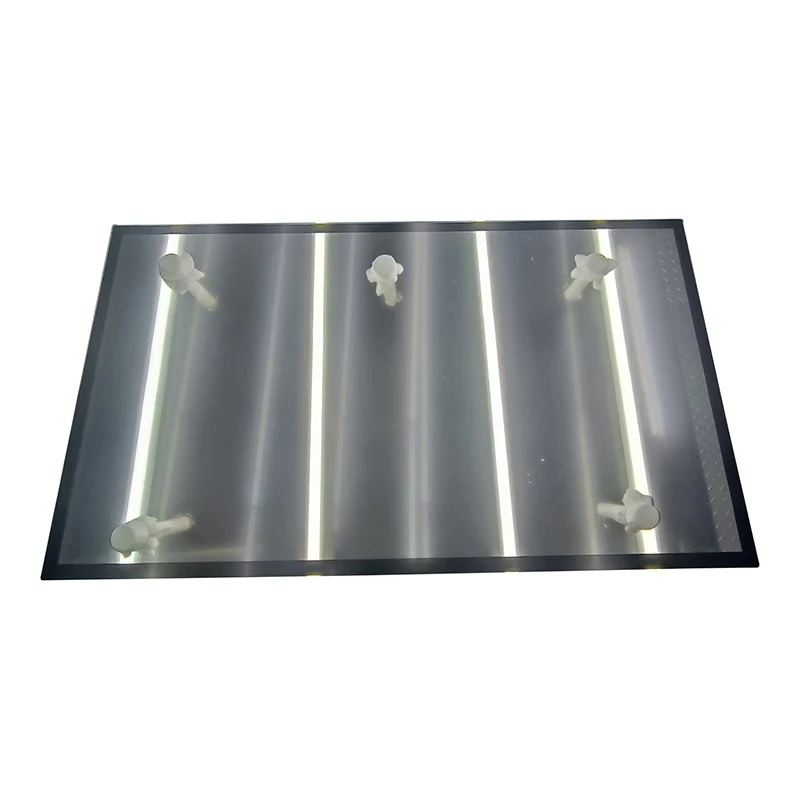
Understanding High-definition AG Coated Glass
Before discussing the cutting and shaping process, it is essential to understand what high-definition AG coated glass is. High-definition AG (Anti-Glare) coated glass is a type of glass that has been treated with an anti-glare coating to reduce reflections and improve visibility. This coating is typically applied to one or both sides of the glass, depending on the specific application.
The high-definition aspect refers to the glass's ability to provide clear and sharp images, making it ideal for applications such as displays, touchscreens, and digital signage. The AG coating helps to minimize glare and reflections, ensuring that the content on the screen is easily visible even in bright environments.
Factors Affecting Cutting and Shaping
Several factors can influence the ease of cutting and shaping high-definition AG coated glass. These factors include the type of glass, the coating properties, and the cutting and shaping techniques used.
Type of Glass
The type of glass used in high-definition AG coated glass can significantly impact its workability. Different types of glass have different properties, such as hardness, brittleness, and thermal expansion coefficients. For example, soda-lime glass is a common type of glass used in many applications due to its relatively low cost and good workability. However, it is also more brittle than other types of glass, which can make it more challenging to cut and shape without cracking or chipping.
On the other hand, borosilicate glass is known for its high thermal resistance and low thermal expansion coefficient, making it more suitable for applications that require high precision and durability. Borosilicate glass is also less brittle than soda-lime glass, which can make it easier to cut and shape.
Coating Properties
The properties of the AG coating can also affect the cutting and shaping process. The coating thickness, hardness, and adhesion to the glass surface can all impact the ease of cutting and shaping. A thick or hard coating may be more difficult to cut through, while a coating with poor adhesion may peel or flake off during the cutting process.
In addition, the coating may have different properties on different sides of the glass. For example, one side of the glass may have a more durable coating than the other, which can affect the cutting and shaping process. It is important to consider these factors when choosing a cutting and shaping method to ensure that the coating remains intact and the glass is not damaged.
Cutting and Shaping Techniques
The cutting and shaping techniques used can also have a significant impact on the ease of working with high-definition AG coated glass. There are several methods available for cutting and shaping glass, including mechanical cutting, laser cutting, and waterjet cutting.
Mechanical cutting is a traditional method that involves using a diamond or carbide blade to score the glass surface and then break it along the scored line. This method is relatively simple and cost-effective, but it can be more challenging to achieve precise cuts, especially on thin or delicate glass.
Laser cutting is a more advanced method that uses a high-powered laser beam to melt and vaporize the glass. This method offers high precision and can be used to cut complex shapes and patterns. However, it is also more expensive and requires specialized equipment.
Waterjet cutting is another method that uses a high-pressure stream of water mixed with abrasive particles to cut through the glass. This method is suitable for cutting thick or hard glass and can also be used to cut complex shapes. However, it can be more time-consuming and may require additional finishing steps to smooth the edges of the glass.
Tips for Cutting and Shaping High-definition AG Coated Glass
Based on my experience as a supplier of high-definition AG coated glass, I have compiled the following tips to help you cut and shape the glass more effectively:
Choose the Right Cutting Method
As mentioned earlier, there are several cutting methods available for high-definition AG coated glass. It is important to choose the method that is most suitable for your specific application and the type of glass you are using. Consider factors such as the thickness of the glass, the complexity of the shape, and the precision required.
Use the Right Tools
Using the right tools is essential for cutting and shaping high-definition AG coated glass. Make sure you have a sharp blade or cutting tool that is suitable for the type of glass you are using. For mechanical cutting, use a diamond or carbide blade that is designed for cutting glass. For laser cutting, use a high-powered laser that is capable of cutting through the glass.
Take Precautions to Protect the Coating
The AG coating on high-definition AG coated glass is delicate and can be easily damaged during the cutting and shaping process. To protect the coating, make sure you use a protective film or masking tape to cover the glass surface before cutting. This will help to prevent scratches and damage to the coating.
Follow the Manufacturer's Instructions
When cutting and shaping high-definition AG coated glass, it is important to follow the manufacturer's instructions. The manufacturer may provide specific guidelines on the cutting and shaping process, including the recommended cutting speed, pressure, and tooling. Following these instructions will help to ensure that the glass is cut and shaped correctly and that the coating remains intact.
Conclusion
In conclusion, high-definition AG coated glass can be cut and shaped, but the ease of the process depends on several factors, including the type of glass, the coating properties, and the cutting and shaping techniques used. By understanding these factors and following the tips outlined in this blog post, you can cut and shape high-definition AG coated glass more effectively and achieve the desired results.
If you are interested in purchasing high-definition AG coated glass or have any questions about its cutting and shaping process, please visit our website at High-definition AG Coated Glass or contact us for more information. We are a leading supplier of high-quality glass products and can provide you with the expertise and support you need to meet your specific requirements.
References
- Glass Cutting and Shaping Techniques. (n.d.). Retrieved from [Website Name]
- High-definition AG Coated Glass: Properties and Applications. (n.d.). Retrieved from [Website Name]
- Tips for Working with AG Coated Glass. (n.d.). Retrieved from [Website Name]


