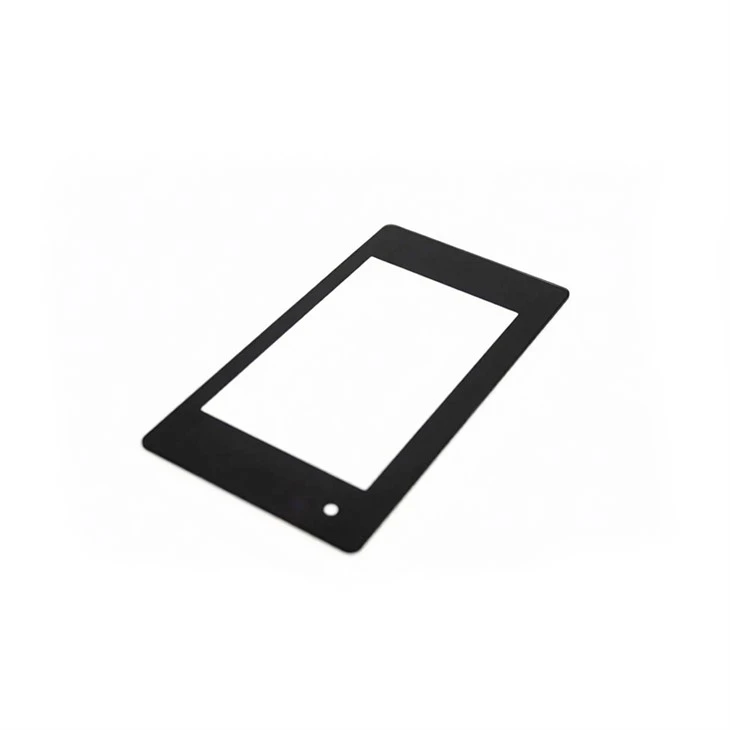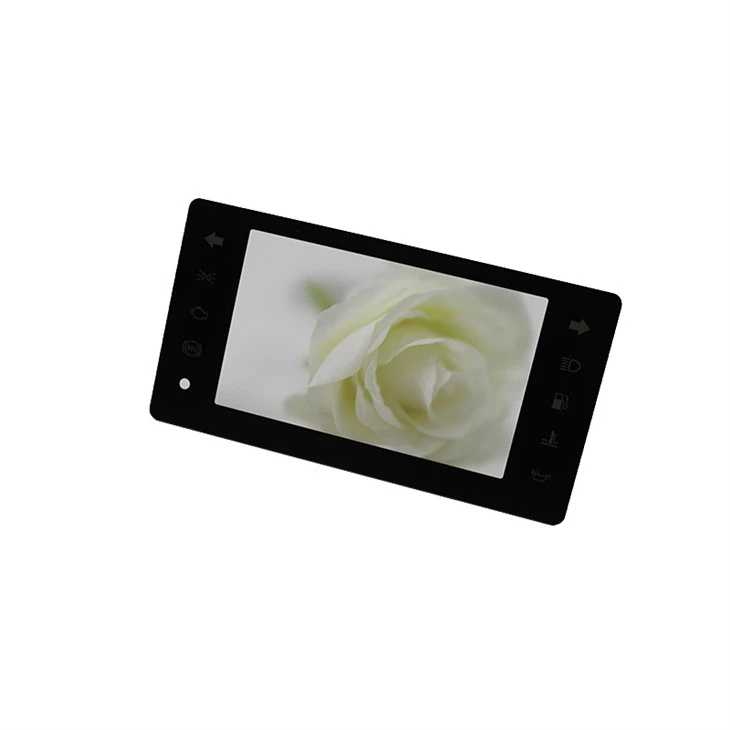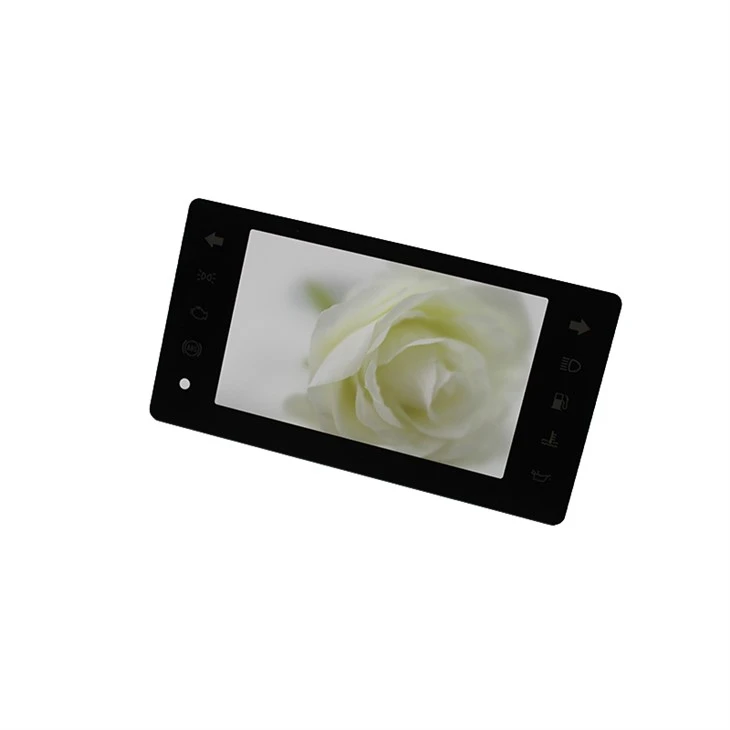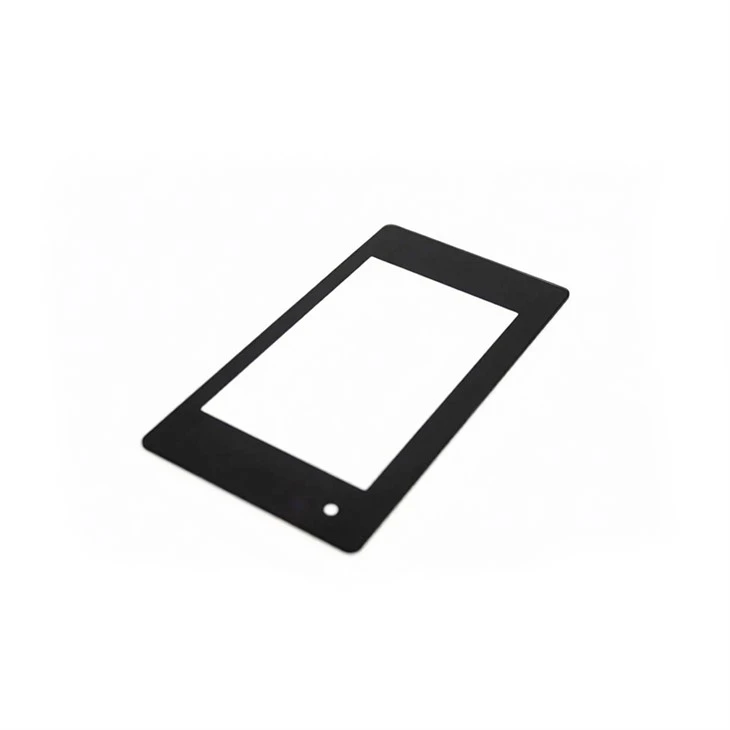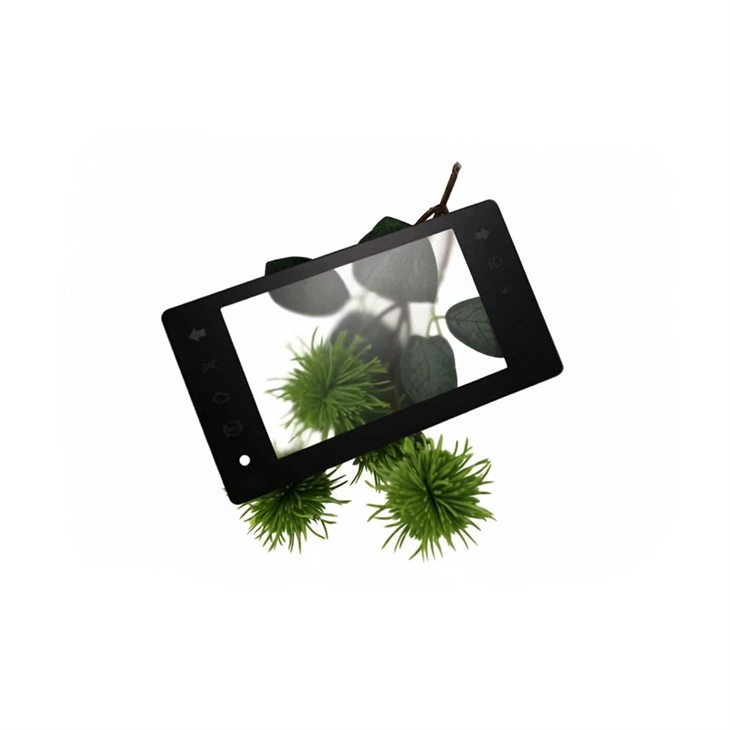
In the rapidly evolving field of commercial displays, selecting the right Anti-Glare (AG) coating is crucial to achieving high-quality visuals and meeting industry demands for durability and environmental sustainability. Two popular AG technologies are etched AG and spray-coated AG, each offering unique benefits and limitations depending on the specific application. This article provides a detailed comparison of these two AG technologies, focusing on key factors such as haze control, optical performance, and environmental impact.
1. Haze Control and Optical Performance
Etched AG:
Etched AG is created through a chemical corrosion process that results in a fixed haze level. Once the AG coating is applied, it cannot be adjusted. This method can sometimes lead to uneven corrosion, especially on large glass panels, causing inconsistent haze levels and localized over-etching or under-etching. This variability can make it challenging to meet the strict consistency requirements of large commercial display panels, where uniformity is essential.
Spray-coated AG:
In contrast, spray-coated AG offers superior control over haze levels. By adjusting the amount of nano-particles, the number of spray layers, and the thickness of the coating, spray-coated AG allows for a wide range of haze control, from 3% to 25%. This level of adjustability makes it an ideal solution for a variety of commercial display applications, including indoor advertising displays, conference boards, and high-brightness screens. Furthermore, large-sized displays benefit from superior uniformity due to the automated multi-gun spray coating process, which ensures even haze distribution, free from bright spots or uneven shading.

2. DOI (Distinctness of Image) and Clarity
Etched AG:
The microscopic grooves formed by the chemical etching process tend to be deep and irregular. This results in light scattering, which increases haze and reduces image clarity. On high-resolution commercial displays, this can lead to a loss of transparency and sharpness, with the image appearing slightly washed out.
Spray-coated AG:
On the other hand, spray-coated AG employs a more controlled nano-particle distribution that results in regular diffuse reflection. This reduces light scattering and helps maintain image clarity, resulting in higher DOI (distinctness of image). Spray-coated AG ensures a sharper, more transparent image while still providing effective glare reduction. This makes it particularly suited for high-brightness and high-resolution displays, where clarity and image sharpness are paramount.
3. Environmental Impact and Process Sustainability
Etched AG:
The production of etched AG involves the use of strong acids like hydrofluoric acid, which generates hazardous byproducts such as fluorine-containing wastewater, acidic fumes, and toxic solid waste. The environmental treatment systems required to manage these byproducts are costly and contribute to the overall environmental footprint of the manufacturing process.
Spray-coated AG:
Spray-coated AG, on the other hand, uses a physical coating process that does not require the use of harmful chemicals. This eliminates the risks associated with fluorine and acid-based pollutants, significantly reducing environmental risks. Furthermore, spray-coated AG is produced using water-based coatings and low-VOC (volatile organic compounds) systems, contributing to cleaner and more sustainable production practices. The reduction of waste, energy consumption, and emissions, along with the use of eco-friendly materials, aligns well with the industry's increasing emphasis on environmental responsibility.

4. Conclusion
Spray-coated AG offers a distinct advantage over etched AG in several important areas, including haze control, image clarity, and environmental sustainability. Its ability to adjust haze levels with precision and maintain image clarity at high brightness makes it an ideal choice for modern commercial display products. Moreover, its environmentally friendly production process and lower waste generation make it a more sustainable option. As the demand for larger and higher-performance displays continues to rise, spray-coated AG is poised to become the preferred choice for manufacturers seeking to meet the challenges of modern display technology.