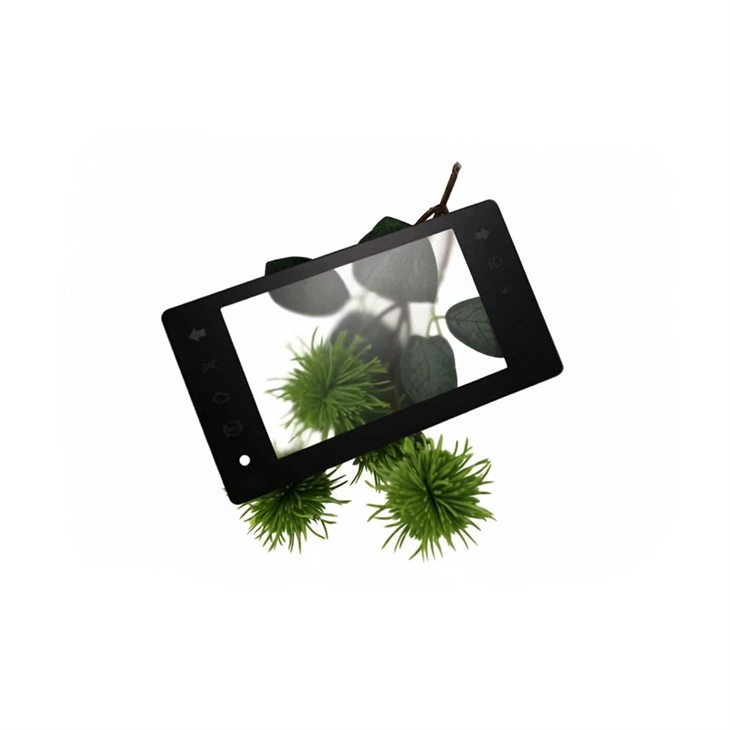
Performance-wise:
Coated glass significantly improves certain properties by coating its surface with one or more layers of a thin film of metal or metal oxide. For example, coated glass can have higher light transmittance while reducing the transmission of ultraviolet and infrared rays, thus protecting indoor items from UV damage and lowering indoor temperature, reducing air conditioning energy consumption. Furthermore, coated glass offers better heat insulation, effectively blocking external heat from entering the room and maintaining a stable indoor temperature. In contrast, while ordinary glass also has good light transmittance, its heat insulation and UV protection performance are weaker.
Function-wise:
Coated glass offers more diverse functions. Besides basic light transmission, coated glass can achieve various functions such as dimming, anti-reflection, and self-cleaning, depending on the coating material. For example, dimming coated glass can flexibly adjust indoor light by changing the light transmittance of the coating layer; anti-reflective coated glass can reduce reflected light from the glass surface, improving visual comfort; and self-cleaning coated glass can utilize the photocatalytic effect of the coating layer to decompose dirt on the glass surface, keeping the glass clean. Ordinary glass primarily possesses basic light transmission capabilities, with relatively limited functionality.
Application Scenarios:
Due to its superior performance and diverse functions, coated glass has a wider range of applications. Coated glass is commonly used in locations requiring high light transmission, heat insulation, and UV protection, such as offices, banks, medical institutions, and shop windows. Furthermore, coated glass is frequently used in solar panels and automotive glass to improve energy efficiency and driving safety. Ordinary glass, on the other hand, is more often used in locations with lower performance requirements, such as residential windows and ordinary building curtain walls.
Cost:
The production process of coated glass is relatively complex, requiring higher technical levels and more precise equipment, thus its cost is generally higher than that of ordinary glass. However, with continuous technological advancements and the realization of large-scale production, the cost of coated glass is gradually decreasing, leading to its increasingly wider application. At the same time, considering the long-term benefits of coated glass in energy saving and environmental protection, its return on investment is relatively high.