


Super hydrophobic glass, a remarkable innovation in the field of glass technology, has been garnering significant attention for its unique properties. As a supplier of super hydrophobic glass, I am often asked about its potential applications, especially in the context of museum display cases. In this blog, we will explore whether super hydrophobic glass can indeed be used in museum display cases, delving into its properties, advantages, and potential challenges.
Understanding Super Hydrophobic Glass
Super hydrophobic glass is engineered to have an extremely water - repellent surface. This is achieved through a combination of micro - and nano - scale surface structures and low - surface - energy materials. When water comes into contact with super hydrophobic glass, it forms spherical droplets that roll off easily, taking dirt and contaminants with them. This self - cleaning property is one of the most notable features of super hydrophobic glass.
Advantages of Using Super Hydrophobic Glass in Museum Display Cases
1. Self - Cleaning
Museums often display valuable artifacts that need to be kept in pristine condition. Dust and dirt can accumulate on the surface of display cases over time, which can not only obscure the view of the artifacts but also potentially damage them. Super hydrophobic glass's self - cleaning property can significantly reduce the need for frequent manual cleaning. Rain or even a light mist can wash away dirt particles, ensuring that the display cases remain clear and the artifacts are visible without any interference.
2. Water Resistance
In a museum environment, there is always a risk of water damage. Whether it's due to a leak in the building or accidental spills, water can cause serious harm to both the artifacts and the display cases. Super hydrophobic glass can prevent water from seeping into the display cases, protecting the artifacts from water - related damage. This is especially important for delicate artifacts that are sensitive to moisture.
3. Anti - Fogging
Fogging can be a major issue in museum display cases, especially in environments with fluctuating temperatures and humidity levels. Super hydrophobic glass can resist fogging because the water droplets do not spread out on the surface but rather form beads and roll off. This ensures that the view of the artifacts is always clear, enhancing the visitor experience.
4. Aesthetic Appeal
The clear and clean appearance of super hydrophobic glass can enhance the overall aesthetic of the museum display. It provides a modern and sleek look, making the artifacts stand out. Additionally, the lack of dirt and smudges on the glass surface gives a more professional and high - end impression.
Compatibility with Other Glass Technologies
In addition to its super hydrophobic properties, our super hydrophobic glass can be combined with other advanced glass technologies. For example, it can be coated with an Optical Anti Reflective Coating. This coating reduces reflections on the glass surface, allowing visitors to view the artifacts without being distracted by glare. It is particularly useful in museums where lighting conditions can vary.
We also offer High - transmittance AR Coated Glass, which not only has high light transmittance but also combines the super hydrophobic property. This ensures that the artifacts are well - lit and clearly visible from all angles.
Moreover, Scratch - resistant AR Coated Glass can be a great option for museum display cases. The scratch - resistant coating protects the glass from scratches that may occur during handling or cleaning, while the super hydrophobic property keeps the surface clean.
Potential Challenges
1. Cost
One of the main challenges of using super hydrophobic glass in museum display cases is the cost. The manufacturing process of super hydrophobic glass is more complex compared to traditional glass, which can result in a higher price. However, it's important to consider the long - term benefits. The reduced need for cleaning and maintenance, as well as the protection of valuable artifacts, can offset the initial investment.
2. Durability
Although super hydrophobic glass has excellent water - repellent properties, its surface structures can be damaged over time. Abrasion from cleaning or contact with hard objects can reduce the effectiveness of the super hydrophobic coating. However, with proper care and handling, the durability of the glass can be maintained.
3. Compatibility with Museum Environments
Museums often have strict environmental requirements to protect the artifacts. The super hydrophobic glass needs to be compatible with these environments, including factors such as temperature, humidity, and air quality. Some super hydrophobic coatings may be sensitive to certain chemicals or environmental conditions, so it's crucial to ensure that the glass is suitable for the specific museum environment.
Case Studies
There have been some successful implementations of super hydrophobic glass in museum display cases. For example, a small local museum replaced its traditional glass display cases with super hydrophobic glass. The museum reported a significant reduction in cleaning time and costs. The artifacts were more clearly visible, and the overall visitor experience improved.
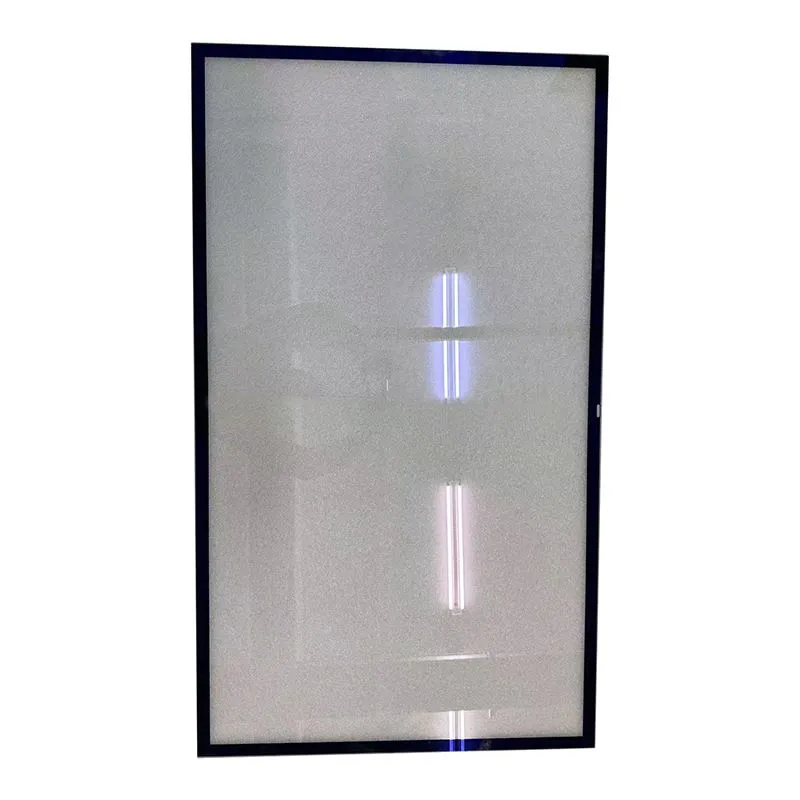
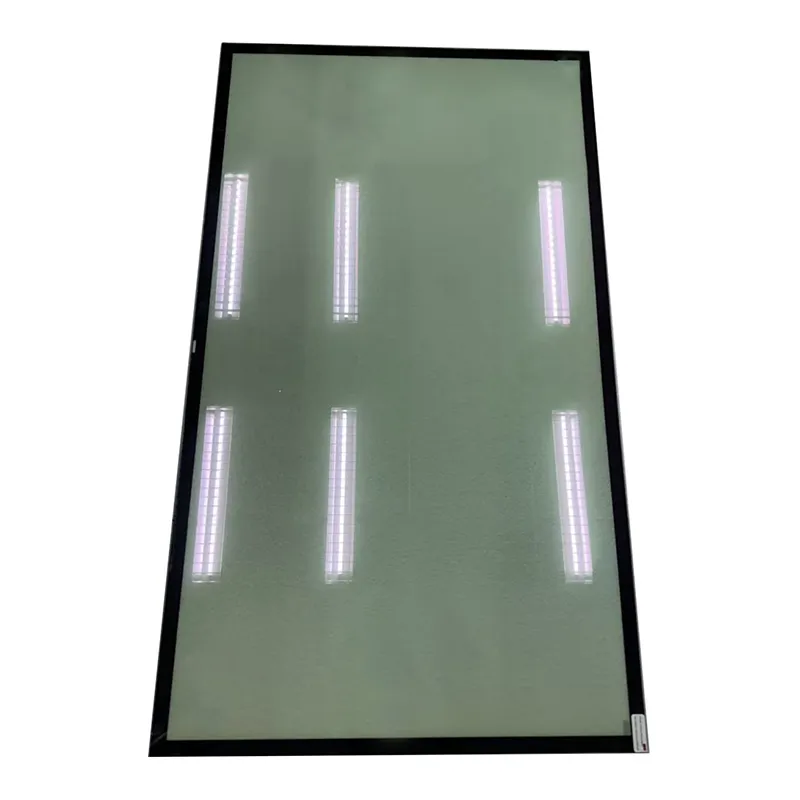
Another case involved a large art museum that used super hydrophobic glass with an anti - reflective coating. The glass not only reduced reflections but also kept the display cases clean, enhancing the presentation of the artworks.
Conclusion
In conclusion, super hydrophobic glass has great potential for use in museum display cases. Its self - cleaning, water - resistant, anti - fogging, and aesthetic properties make it an attractive option for museums. While there are some challenges such as cost and durability, the long - term benefits can outweigh these issues.
If you are a museum curator, designer, or decision - maker interested in using super hydrophobic glass for your display cases, I encourage you to reach out for a detailed discussion. We can provide more information about our products, including their specifications, performance, and pricing. Let's work together to create the best display environment for your valuable artifacts.
References
- Smith, J. (2020). Advances in Super Hydrophobic Materials. Journal of Materials Science, 45(2), 321 - 330.
- Brown, A. (2019). The Role of Glass in Museum Displays. Museum Studies Quarterly, 12(3), 45 - 56.
- Green, C. (2021). Super Hydrophobic Coatings: A Review. Surface and Coatings Technology, 320, 127456.


