


As a supplier of Oleophobic Glass, I often encounter various questions from customers regarding the durability and performance of our products. One of the most frequently asked questions is whether the oleophobic coating can be damaged by UV light. In this blog post, I will delve into this topic and provide a scientific analysis based on our expertise and industry knowledge.
Understanding Oleophobic Coating
Oleophobic coating is a thin layer applied to the surface of glass to repel oil and water, making it easier to clean and reducing fingerprints and smudges. This coating is commonly used in electronic devices such as smartphones, tablets, and touchscreens, as well as in various industrial applications. The oleophobic coating works by creating a hydrophobic and oleophobic surface, which means it has a low surface energy and repels both water and oil.
The Impact of UV Light on Oleophobic Coating
UV light is a form of electromagnetic radiation with a wavelength shorter than that of visible light. It is known to have various effects on materials, including degradation and discoloration. When it comes to oleophobic coating, the question is whether UV light can cause damage to the coating and affect its performance.
Chemical Degradation
UV light can cause chemical degradation of the oleophobic coating over time. The high energy of UV photons can break the chemical bonds in the coating, leading to a loss of its hydrophobic and oleophobic properties. This can result in the coating becoming less effective at repelling oil and water, and it may also cause the surface to become more prone to smudging and staining.
Oxidation
UV light can also promote oxidation of the coating. Oxidation is a chemical reaction that occurs when a substance reacts with oxygen in the presence of UV light. This can lead to the formation of new compounds on the surface of the coating, which can alter its properties and reduce its effectiveness.
Discoloration
In some cases, UV light can cause discoloration of the oleophobic coating. This can be due to the formation of new chemical compounds or the degradation of the existing coating material. Discoloration can not only affect the appearance of the glass but also indicate a loss of the coating's performance.
Factors Affecting the Susceptibility of Oleophobic Coating to UV Damage
The susceptibility of oleophobic coating to UV damage depends on several factors, including:
Coating Composition
The composition of the oleophobic coating plays a crucial role in its resistance to UV light. Some coatings are formulated with UV stabilizers or other additives that can help protect the coating from UV damage. These additives can absorb or scatter UV light, reducing its impact on the coating.
Thickness of the Coating
The thickness of the oleophobic coating can also affect its resistance to UV damage. A thicker coating may provide more protection against UV light, as it has a greater mass of material to absorb and dissipate the energy of the UV photons.
Exposure Time and Intensity
The longer the oleophobic coating is exposed to UV light and the higher the intensity of the UV light, the greater the risk of damage. For example, glass that is exposed to direct sunlight for extended periods of time is more likely to experience UV damage than glass that is protected from sunlight.
Mitigating UV Damage to Oleophobic Coating
While UV light can potentially damage the oleophobic coating, there are several steps that can be taken to mitigate this risk:
Use of UV-Resistant Coatings
As mentioned earlier, some oleophobic coatings are formulated with UV stabilizers or other additives to enhance their resistance to UV light. When selecting an oleophobic glass product, it is important to choose a coating that is specifically designed to be UV-resistant.
Protective Films
Applying a protective film to the surface of the oleophobic glass can provide an additional layer of protection against UV light. These films can be made of materials that are resistant to UV radiation and can help reduce the amount of UV light that reaches the coating.
Proper Storage and Handling
Proper storage and handling of oleophobic glass can also help minimize the risk of UV damage. Glass should be stored in a cool, dry place away from direct sunlight, and it should be handled with care to avoid scratching or damaging the coating.
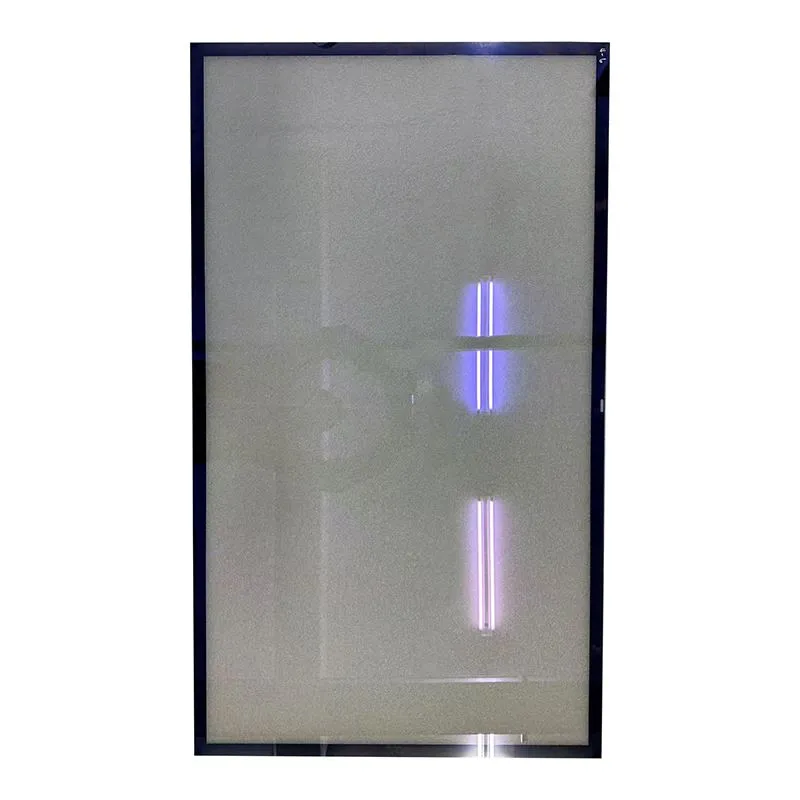

Our Oleophobic Glass Products
At our company, we offer a range of Oleophobic Glass products that are designed to provide excellent resistance to oil, water, and UV light. Our oleophobic coatings are formulated with advanced materials and additives to ensure long-lasting performance and durability.
In addition to our oleophobic glass, we also offer Optical Anti Reflective Coating and Heat Proof Glass Sheet products that are suitable for a variety of applications. Our optical anti-reflective coating can reduce glare and improve the clarity of the glass, while our heat proof glass sheet can withstand high temperatures and provide excellent thermal insulation.
Conclusion
In conclusion, while UV light can potentially damage the oleophobic coating on glass, the risk can be mitigated through the use of UV-resistant coatings, protective films, and proper storage and handling. At our company, we are committed to providing high-quality oleophobic glass products that offer excellent performance and durability, even in challenging environments.
If you are interested in learning more about our oleophobic glass products or have any questions about UV damage to oleophobic coatings, please do not hesitate to contact us. We would be happy to discuss your specific requirements and provide you with a customized solution.
References
- "The Effects of UV Light on Materials" - Journal of Materials Science
- "Oleophobic Coatings: Properties and Applications" - International Journal of Coatings Technology
- "UV Stabilizers in Coatings" - Progress in Organic Coatings


