


Coated glass has become a staple in various industries, from architecture to electronics, due to its ability to enhance the functionality and aesthetics of glass. As a coated glass supplier, I often receive inquiries about the lifespan of the coating on coated glass. In this blog post, I will delve into the factors that influence the longevity of coated glass coatings and provide insights into how long you can expect them to last.
Understanding Coated Glass Coatings
Before we discuss the lifespan of coated glass coatings, it's important to understand what they are and how they work. Coated glass is glass that has been treated with a thin layer of material to enhance its properties. These coatings can provide a range of benefits, such as improved energy efficiency, reduced glare, increased scratch resistance, and enhanced privacy.
There are several types of coatings used on coated glass, including:
- Low-emissivity (Low-E) coatings: These coatings are designed to reduce the amount of heat transfer through the glass, making it more energy-efficient. Low-E coatings are commonly used in windows and doors to help keep buildings cool in the summer and warm in the winter.
- Anti-reflective (AR) coatings: AR coatings are used to reduce glare and reflections on the surface of the glass, improving visibility and clarity. These coatings are commonly used in optical lenses, displays, and solar panels.
- Self-cleaning coatings: Self-cleaning coatings are designed to make the glass easier to clean by repelling dirt and water. These coatings are commonly used in windows and facades to reduce maintenance costs.
- Anti-bacterial coatings: Anti-bacterial coatings are used to prevent the growth of bacteria and other microorganisms on the surface of the glass. These coatings are commonly used in healthcare facilities, food processing plants, and other environments where hygiene is important.
Factors Affecting the Lifespan of Coated Glass Coatings
The lifespan of a coated glass coating can vary depending on several factors, including:
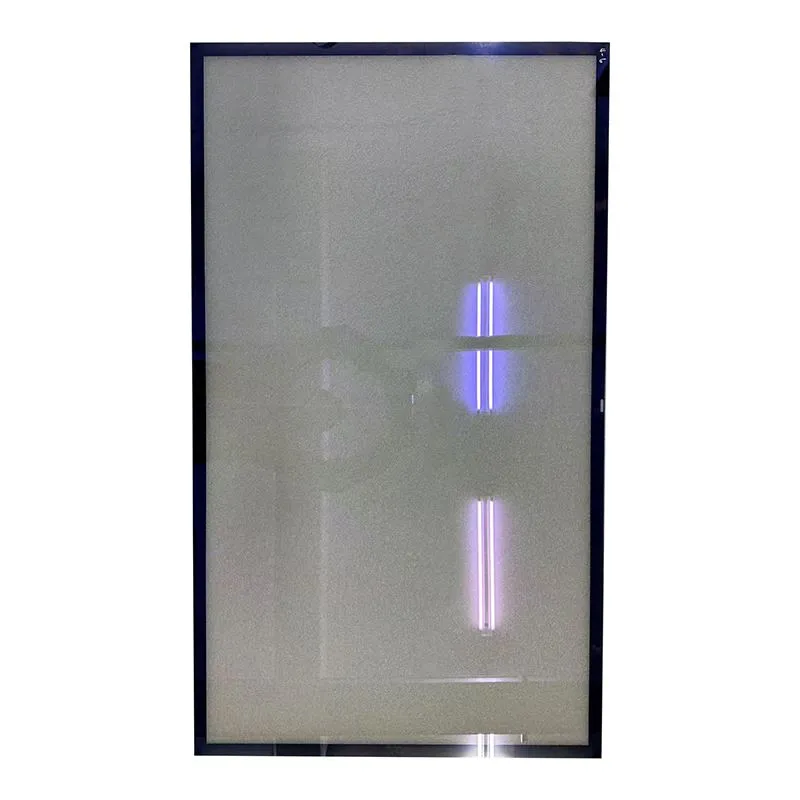

- Type of coating: Different types of coatings have different lifespans. For example, Low-E coatings typically last between 10 and 20 years, while AR coatings can last between 5 and 10 years.
- Quality of the coating: The quality of the coating can also affect its lifespan. High-quality coatings are typically more durable and resistant to wear and tear than low-quality coatings.
- Environmental conditions: The environmental conditions in which the coated glass is installed can also affect the lifespan of the coating. For example, exposure to harsh weather conditions, such as extreme temperatures, humidity, and UV radiation, can cause the coating to degrade more quickly.
- Maintenance: Proper maintenance can also extend the lifespan of the coated glass coating. Regular cleaning and maintenance can help prevent dirt and debris from building up on the surface of the glass, which can cause the coating to degrade more quickly.
How Long Does the Coating on Coated Glass Last?
The lifespan of the coating on coated glass can vary depending on the factors mentioned above. However, in general, you can expect the coating to last between 5 and 20 years. Here's a breakdown of the typical lifespan of different types of coated glass coatings:
- Low-E coatings: Low-E coatings typically last between 10 and 20 years. These coatings are designed to be durable and resistant to wear and tear, making them a popular choice for windows and doors.
- AR coatings: AR coatings typically last between 5 and 10 years. These coatings are designed to reduce glare and reflections on the surface of the glass, but they can be more prone to scratching and damage than other types of coatings.
- Self-cleaning coatings: Self-cleaning coatings typically last between 5 and 10 years. These coatings are designed to make the glass easier to clean, but they can be less effective over time as dirt and debris build up on the surface of the glass.
- Anti-bacterial coatings: Anti-bacterial coatings typically last between 5 and 10 years. These coatings are designed to prevent the growth of bacteria and other microorganisms on the surface of the glass, but they can be less effective over time as the coating wears off.
Extending the Lifespan of Coated Glass Coatings
While the lifespan of coated glass coatings can vary, there are several steps you can take to extend their lifespan:
- Choose high-quality coatings: Investing in high-quality coatings can help ensure that they last longer and provide better performance. Look for coatings that are specifically designed for your application and that have a proven track record of durability.
- Proper installation: Proper installation is crucial for ensuring the longevity of the coated glass coating. Make sure that the glass is installed correctly and that the coating is applied evenly and smoothly.
- Regular maintenance: Regular cleaning and maintenance can help prevent dirt and debris from building up on the surface of the glass, which can cause the coating to degrade more quickly. Use a mild detergent and a soft cloth to clean the glass, and avoid using abrasive cleaners or tools that could scratch the coating.
- Avoid harsh chemicals: Harsh chemicals, such as bleach and ammonia, can damage the coated glass coating. Avoid using these chemicals on the glass, and instead use a mild detergent and water to clean it.
- Protect the glass from damage: Avoid scratching or damaging the coated glass coating, as this can cause it to degrade more quickly. Use protective film or covers to protect the glass from scratches and other damage.
Conclusion
In conclusion, the lifespan of the coating on coated glass can vary depending on several factors, including the type of coating, the quality of the coating, the environmental conditions, and the maintenance. However, in general, you can expect the coating to last between 5 and 20 years. By choosing high-quality coatings, proper installation, regular maintenance, and protecting the glass from damage, you can extend the lifespan of the coated glass coating and ensure that it provides long-lasting performance.
If you're interested in learning more about coated glass or are looking for a reliable coated glass supplier, please don't hesitate to contact us. We offer a wide range of coated glass products, including Heat Proof Glass Sheet, Anti Glare Glass Sheet, and Antibacterial AF Coated Glass. Our team of experts can help you choose the right coated glass product for your needs and provide you with the support and guidance you need to ensure a successful installation.
References
- ASTM International. (2021). Standard Test Methods for Evaluating the Durability of Glass Coatings. ASTM C1357-21.
- National Fenestration Rating Council. (2021). Coated Glass: A Guide to Understanding Low-E Coatings.
- Window & Door magazine. (2020). The Lifespan of Coated Glass.


