


Oleophobic glass has become a staple in various industries, from consumer electronics to automotive applications. Its ability to repel oils and fingerprints makes it highly desirable, but a common question that arises is whether oleophobic glass is scratch-resistant. As a leading supplier of oleophobic glass, I'm here to delve into this topic and provide you with a comprehensive understanding.
Understanding Oleophobic Glass
Oleophobic glass is treated with a special coating that reduces the surface tension between the glass and oily substances. This coating creates a hydrophobic and oleophobic surface, causing oil and water to bead up and roll off the glass. This property not only makes the glass easier to clean but also enhances the user experience by keeping the screen free from smudges and fingerprints.
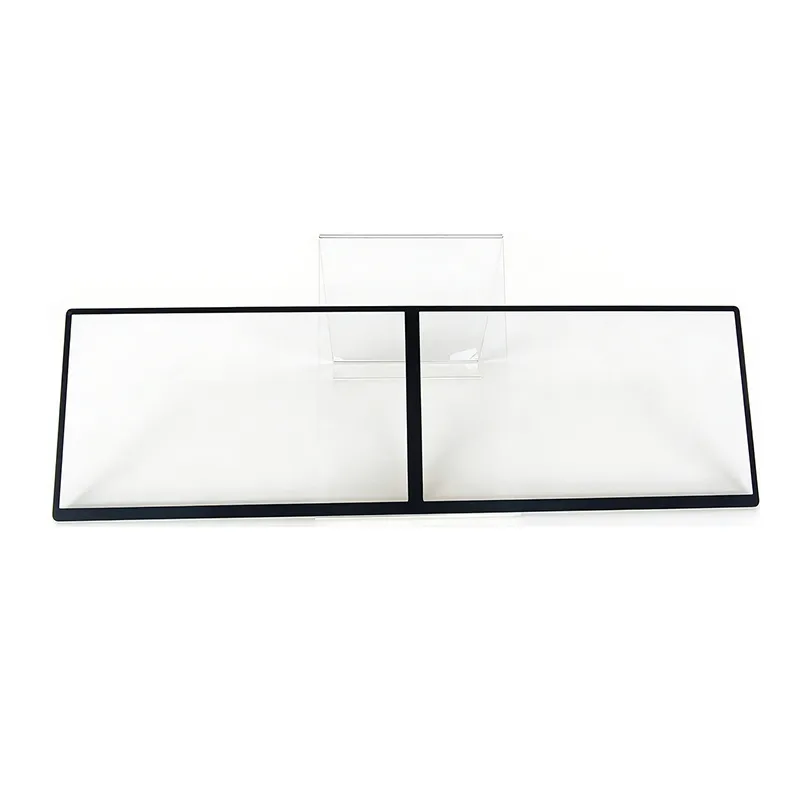

The oleophobic coating is typically applied during the manufacturing process. It can be a thin layer of a fluoropolymer or other specialized materials that bond to the glass surface. This coating is often invisible to the naked eye but significantly improves the glass's performance.
Scratch Resistance of Oleophobic Glass
The scratch resistance of oleophobic glass is a complex topic. While the oleophobic coating itself does not directly contribute to scratch resistance, the base glass material plays a crucial role. Most oleophobic glass is made from high-quality materials such as Corning Gorilla Glass or other toughened glass types. These glasses are designed to be more resistant to scratches and impacts compared to standard glass.
However, it's important to note that no glass is completely scratch-proof. Even the most scratch-resistant glass can be scratched under certain conditions. For example, sharp objects like keys, knives, or sand particles can cause scratches on the glass surface. The hardness of the object and the force applied during contact are key factors in determining whether a scratch will occur.
The oleophobic coating may provide a slight buffer against minor scratches. It can help reduce the friction between the glass and a scratching object, potentially minimizing the damage. But this protection is limited, and it's not a substitute for proper care and handling of the glass.
Factors Affecting Scratch Resistance
Several factors can influence the scratch resistance of oleophobic glass:
- Glass Material: As mentioned earlier, the type of glass used is a major determinant of scratch resistance. High-quality toughened glasses have a higher resistance to scratches compared to regular glass.
- Coating Thickness: The thickness of the oleophobic coating can also affect scratch resistance. A thicker coating may provide more protection, but it can also impact the optical properties of the glass.
- Surface Finish: The surface finish of the glass can influence how easily it gets scratched. A smooth surface is generally more resistant to scratches than a rough or textured surface.
- Environmental Conditions: The environment in which the glass is used can also play a role. For example, a dusty or sandy environment can increase the risk of scratches.
Comparing Oleophobic Glass with Other Types of Coated Glass
In addition to oleophobic glass, there are other types of coated glass available in the market, such as Ar Coating Blue Light and Super Hydrophobic Glass. While these coatings have different properties, they all aim to enhance the performance of the glass.
Ar Coating Blue Light is designed to reduce glare and block harmful blue light. It can improve the visibility of the screen and reduce eye strain. Super Hydrophobic Glass, on the other hand, has a high water-repellent property, which makes it ideal for applications where water resistance is crucial.
When it comes to scratch resistance, the base glass material is still the most important factor. However, the additional coatings can provide some extra protection. For example, the super hydrophobic coating may reduce the friction between the glass and a scratching object, similar to the oleophobic coating.
Micro Thin Glass Sheets and Scratch Resistance
Micro Thin Glass Sheets are another type of glass that is often used in various applications. These sheets are extremely thin, which makes them lightweight and flexible. However, their thinness can also make them more vulnerable to scratches.
When using micro thin glass sheets, it's important to take extra precautions to protect them from scratches. This may include using a protective case or film. Some micro thin glass sheets may also be treated with an oleophobic or other protective coating to improve their scratch resistance.
How to Protect Oleophobic Glass from Scratches
While oleophobic glass has some level of scratch resistance, it's still important to take steps to protect it. Here are some tips:
- Use a Protective Case: A protective case can provide an extra layer of protection against scratches and impacts. Make sure to choose a case that is specifically designed for your device.
- Avoid Contact with Sharp Objects: Keep your device away from sharp objects such as keys, knives, or sand particles. These objects can easily scratch the glass surface.
- Clean the Glass Properly: Use a soft, lint-free cloth to clean the glass. Avoid using abrasive materials or harsh chemicals, as they can damage the oleophobic coating.
- Store the Device Safely: When not in use, store your device in a safe place where it won't be exposed to potential scratches.
Conclusion
In conclusion, oleophobic glass has some level of scratch resistance, but it's not completely scratch-proof. The scratch resistance of oleophobic glass depends on the base glass material, the thickness of the coating, and other factors. While the oleophobic coating can provide some protection against minor scratches, it's still important to take proper care of the glass to prevent damage.
If you're in the market for oleophobic glass or other types of coated glass, we're here to help. As a trusted supplier, we offer a wide range of high-quality glass products that meet your specific needs. Whether you're looking for scratch-resistant glass for your smartphone, tablet, or other devices, we can provide you with the best solutions.
Contact us today to discuss your requirements and start a procurement conversation. We look forward to working with you.
References
- Corning Gorilla Glass official documentation
- Scientific research on glass scratch resistance
- Industry reports on coated glass technologies


