


What are the optical clarity levels of micro thin glass sheets?
As a supplier of Micro Thin Glass Sheets, I am often asked about the optical clarity levels of our products. Optical clarity is a crucial factor in many applications, from consumer electronics to automotive displays, and understanding the different levels and what they mean is essential for making informed decisions.
Understanding Optical Clarity
Optical clarity refers to the degree to which light can pass through a material without being scattered or absorbed. In the context of micro thin glass sheets, high optical clarity means that the glass allows light to pass through with minimal distortion, resulting in a clear and sharp image. This is measured by several parameters, including transmittance, haze, and refractive index.
Transmittance is the percentage of light that passes through the glass. A higher transmittance indicates better optical clarity, as more light is able to pass through the material. For micro thin glass sheets, high - transmittance values are desirable, especially in applications where clear visibility is crucial, such as touchscreens and displays.
Haze is a measure of the scattering of light as it passes through the glass. A low haze value means that the light is passing through the glass with minimal scattering, resulting in a clear and sharp image. High haze can cause the image to appear blurry or hazy, which is undesirable in most applications.
The refractive index is a measure of how much light is bent as it passes through the glass. A consistent refractive index across the glass sheet ensures that light is transmitted evenly, contributing to better optical clarity.
Factors Affecting Optical Clarity
Several factors can affect the optical clarity of micro thin glass sheets. The quality of the raw materials used in the manufacturing process is one of the most important factors. High - purity silica and other raw materials are essential for producing glass with high optical clarity. Impurities in the raw materials can cause light scattering and absorption, reducing the overall clarity of the glass.
The manufacturing process also plays a significant role. Precision manufacturing techniques, such as float glass production and chemical polishing, can help to achieve high levels of optical clarity. These processes ensure that the glass surface is smooth and free of defects, which can otherwise scatter light and reduce clarity.
Coatings can also impact optical clarity. For example, anti - reflective (AR) coatings can increase the transmittance of the glass by reducing the amount of light reflected from the surface. High - transmittance AR Coated Glass is designed to minimize reflection and maximize the amount of light that passes through the glass, resulting in better clarity.
Oleophobic coatings are another type of coating that can affect optical clarity. These coatings repel oil and fingerprints, which can otherwise smudge the glass surface and reduce visibility. Oleophobic Glass not only maintains a clean appearance but also helps to preserve the optical clarity of the glass over time.
Super hydrophobic coatings can also enhance optical clarity by repelling water and preventing water droplets from forming on the glass surface. Water droplets can scatter light and cause distortion, but Super Hydrophobic Glass ensures that water runs off the surface, maintaining a clear view.
Optical Clarity Levels in Different Applications
The required optical clarity levels can vary depending on the application. In consumer electronics, such as smartphones and tablets, high optical clarity is essential for providing a clear and sharp display. Users expect to see vibrant colors and detailed images, and any distortion or haze can significantly impact the user experience.
In automotive applications, micro thin glass sheets are used for displays, heads - up displays (HUDs), and rear - view mirrors. High optical clarity is crucial for ensuring that drivers can clearly see the information displayed on these devices, which is essential for safety.
In the medical field, micro thin glass sheets are used in microscopy and diagnostic equipment. The high optical clarity of the glass allows for clear visualization of cells and tissues, which is critical for accurate diagnosis and research.
Measuring Optical Clarity
There are several methods for measuring the optical clarity of micro thin glass sheets. Transmittance can be measured using a spectrophotometer, which measures the amount of light that passes through the glass at different wavelengths. Haze can be measured using a haze meter, which measures the amount of scattered light.
Refractive index can be measured using a refractometer, which measures the bending of light as it passes through the glass. These measurements are important for ensuring that the glass meets the required optical clarity standards for different applications.
Our Commitment to High Optical Clarity
As a Micro Thin Glass Sheets supplier, we are committed to providing products with the highest levels of optical clarity. We use high - quality raw materials and state - of - the - art manufacturing processes to ensure that our glass sheets meet the strictest optical standards.
Our team of experts conducts rigorous quality control tests to ensure that each glass sheet meets the required transmittance, haze, and refractive index specifications. We also offer a range of coatings, such as AR, oleophobic, and super hydrophobic coatings, to enhance the optical clarity and performance of our products.
Contact Us for Your Micro Thin Glass Sheet Needs
If you are in the market for micro thin glass sheets with high optical clarity, we would be delighted to discuss your requirements. Our experienced sales team can provide you with detailed information about our products and help you choose the right glass sheets for your application. Whether you need glass for consumer electronics, automotive, or medical applications, we have the expertise and products to meet your needs.

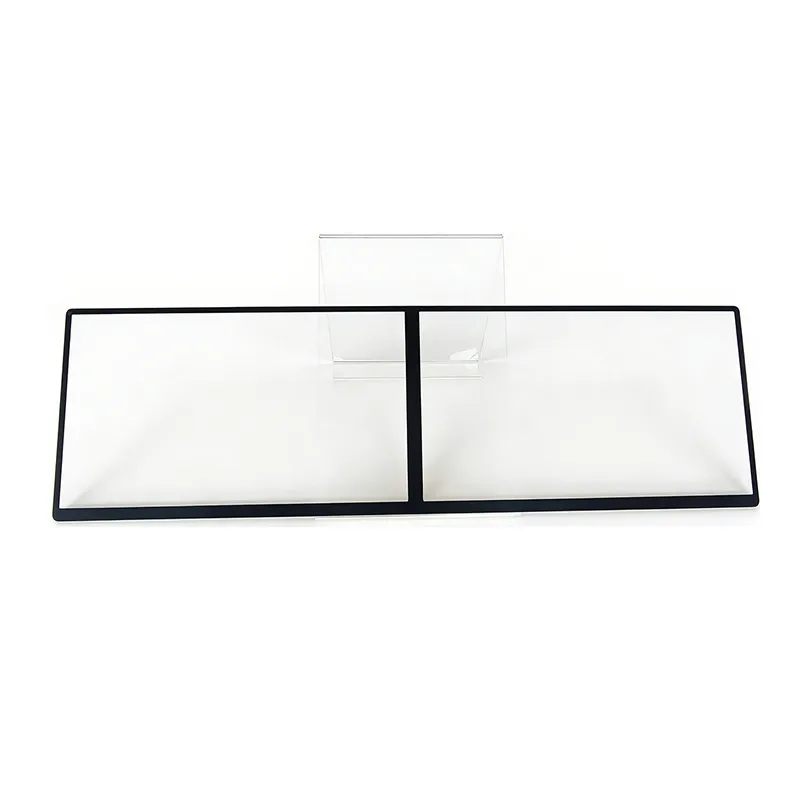
Reach out to us to start a conversation about your micro thin glass sheet requirements. We look forward to working with you to provide the best solutions for your optical needs.
References
- Smith, J. (2020). "Optical Properties of Glass Materials." Journal of Optical Science.
- Johnson, A. (2019). "Advances in Micro Thin Glass Manufacturing." Manufacturing Technology Review.
- Brown, C. (2021). "Coatings for Enhancing Optical Clarity in Glass." Coating Science Journal.


