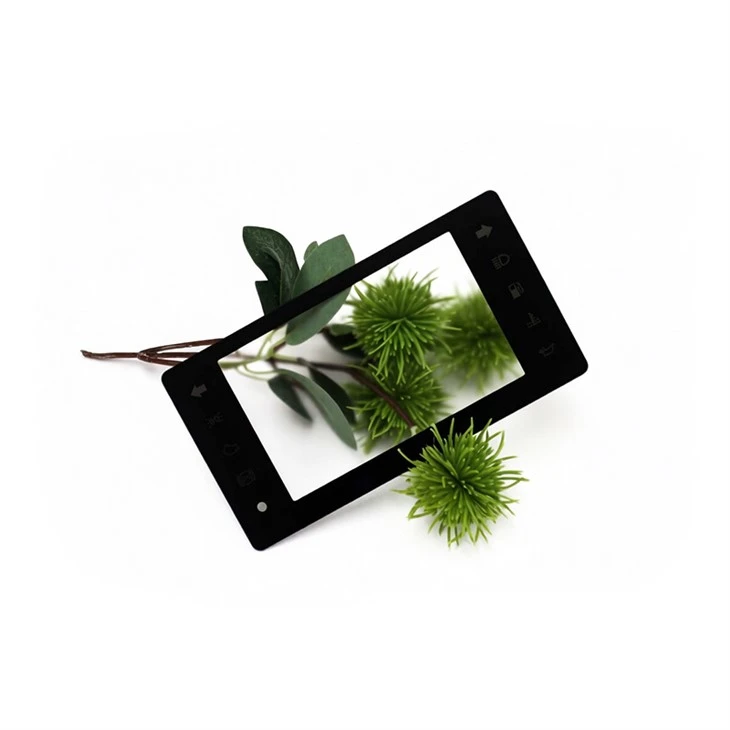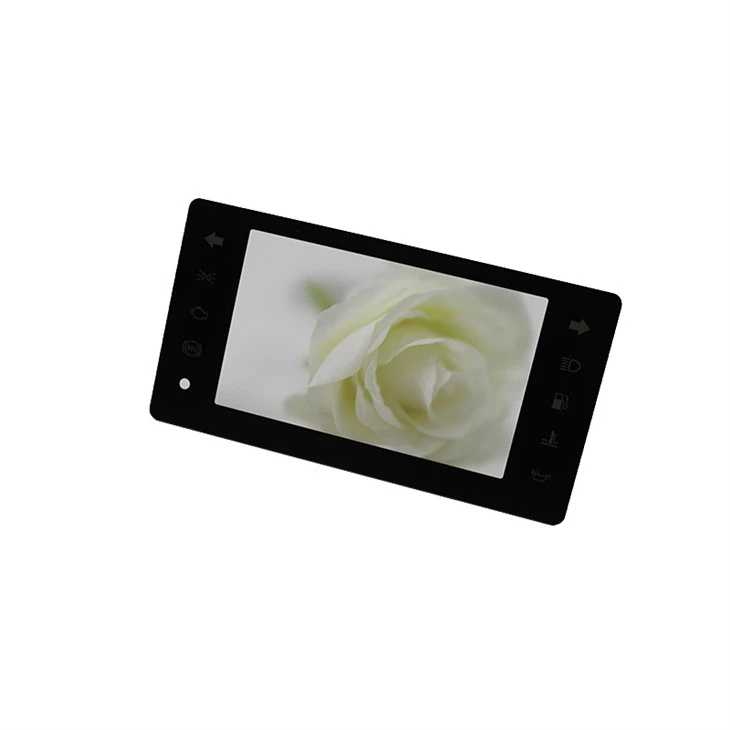
 In the world of optical glass and display technologies, two key metrics play a crucial role in determining the quality and performance of anti-glare glass: Haze and DOI (Distortion of Image). While they may seem similar at first glance, these two characteristics represent different aspects of glass performance, and understanding their differences is key to selecting the right type of glass for specific applications.
What is Haze?
Haze refers to the level of light scattering that occurs when light passes through a surface. More specifically, it is a measurement of the amount of light that is scattered from the glass surface, making it appear cloudy or blurred. The higher the haze value, the more light is diffused, resulting in a somewhat blurry or foggy appearance. This can cause images to look less sharp and reduce the overall clarity of a display.
Impact on Visual Experience: With high haze, screens appear softer, creating a slightly whitish, blurry effect. On the other hand, low haze values result in clearer, sharper images with more precise detail.
Key Focus: Haze is primarily concerned with the clarity of the display, ensuring that images and visuals are bright and sharp.
What is DOI (Distortion of Image)?
DOI, also known as Image Clarity or Freshness, measures the sharpness and clarity of reflections on the glass surface. It reflects how accurately the surface reproduces the image or the reflection of objects seen through it.
Impact on Visual Experience: A higher DOI value indicates a clearer and sharper reflection, improving the quality of images seen through the glass. Conversely, lower DOI values lead to more blurred reflections and weaker anti-glare effects.
Key Focus: DOI focuses on controlling the glare and ensuring that the images reflected on the surface are clear and detailed.
The Key Differences Between Haze and DOI
While both haze and DOI play essential roles in creating the perfect anti-glare glass, they focus on different visual outcomes:
Haze: Primarily concerned with ensuring the clarity of the display by preventing the image from looking foggy or blurry.
DOI: Focuses on improving anti-glare performance by controlling the sharpness of reflected images.
When designing or choosing anti-glare glass, it's crucial to understand how each metric influences the viewing experience. If the priority is a clear and sharp display with minimal glare, focusing on a balance between haze reduction and DOI enhancement is key.
In practical applications, such as mobile screens, television displays, vehicle dashboards, and outdoor advertisements, achieving an optimal balance between haze and DOI can make a significant difference in both the aesthetic appeal and functionality of the product.
Conclusion
In summary, Haze and DOI are both critical factors in the performance of anti-glare glass, but they impact the viewing experience in different ways. Haze is more focused on ensuring the clarity and transparency of images, while DOI is concerned with improving the sharpness of reflections. A comprehensive understanding of these indicators helps manufacturers and designers select the most suitable anti-glare glass for their specific needs, from high-end displays to architectural applications.