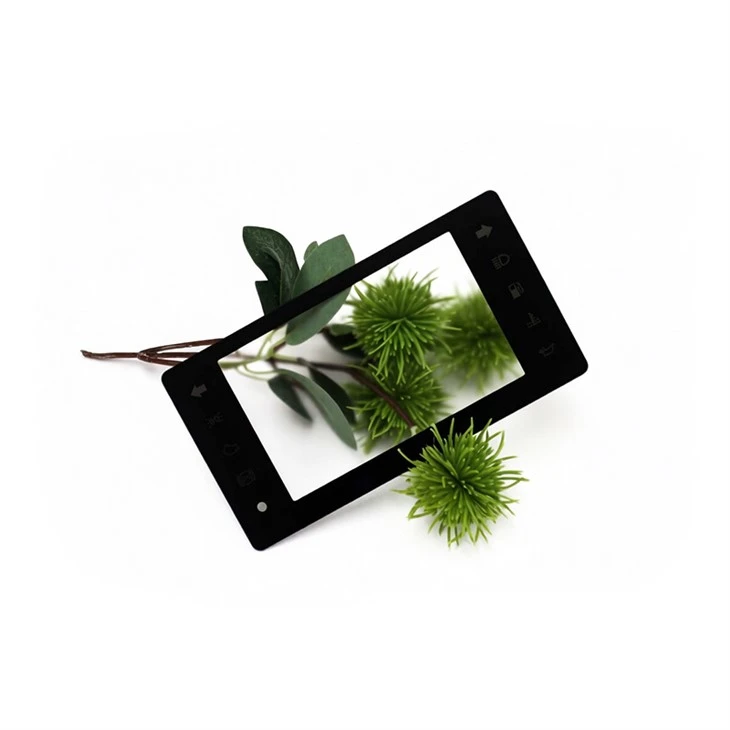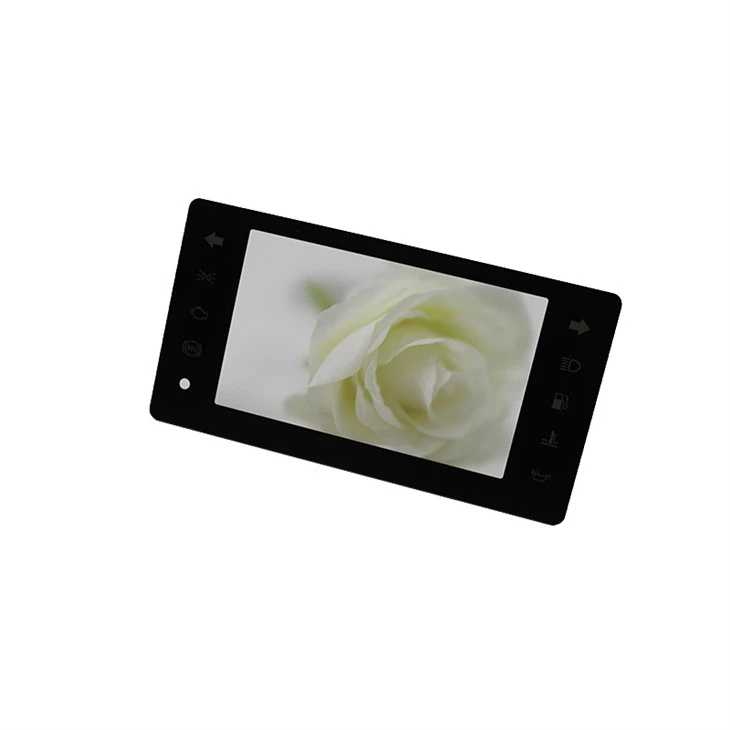
Anti-fog glass with coatings achieves its anti-fog effect through an anti-fog coating. According to a 2026 patent, some advanced anti-fog glass coatings employ alternating cross-linked and anti-fog layers to form a multi-layered anti-fog coating, further improving anti-fog performance and coating abrasion resistance, extending service life, while maintaining a high light transmittance of over 85%. Furthermore, for special applications (such as diving masks), anti-fog coating materials have evolved to use resins (such as composites of polyacrylic and polyurethane resins) with nano-silica to enhance coating adhesion and abrasion resistance on the glass.
Electrically heated anti-fog glass uses electrical heating to raise the surface temperature of the glass to prevent fog condensation. Its core technology involves integrating a transparent conductive layer, such as indium tin oxide (ITO) film, metal micromesh, or graphene coating, into the glass interlayer or surface. When a safe voltage (such as 12V or 24V) is applied, the conductive layer generates uniform Joule heat, raising the glass surface temperature slightly above the ambient dew point to prevent water vapor condensation. Modern electrically heated anti-fog glass typically features intelligent temperature control, enabling rapid defogging within 1-3 minutes. It boasts a power density of approximately 200-500 W/m², high light transmittance (light loss %), and wide environmental adaptability (-40℃ to +85℃). Applications have expanded from automobiles (windshields, rearview mirrors, etc.) to architectural and residential applications (bathroom mirrors, shower rooms, museum display cases) and specialized industrial fields (drone camera covers, outdoor monitoring equipment).