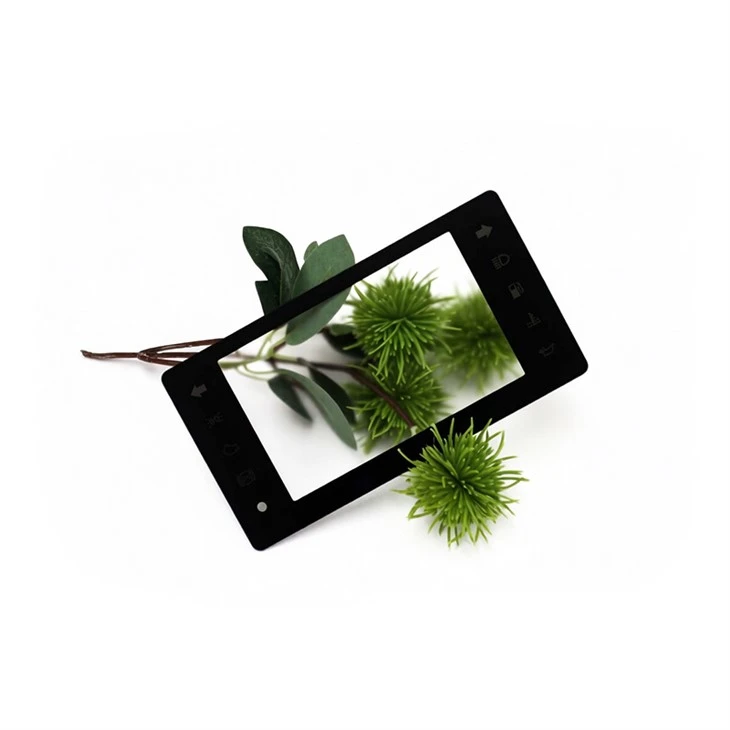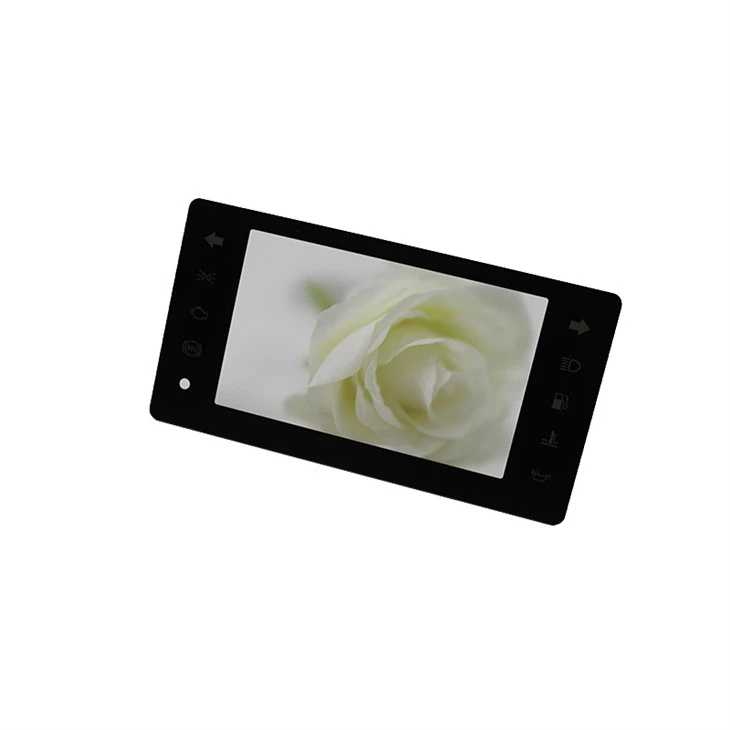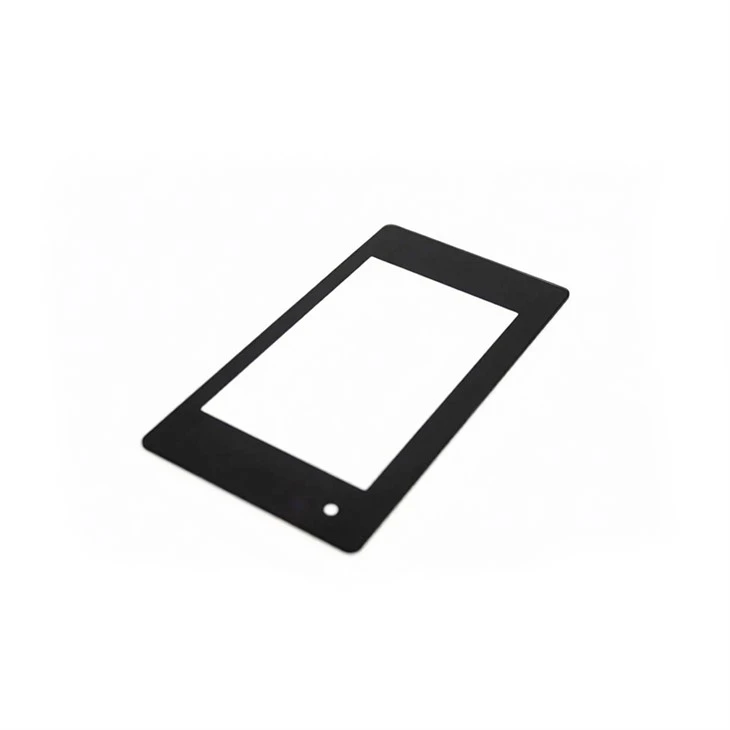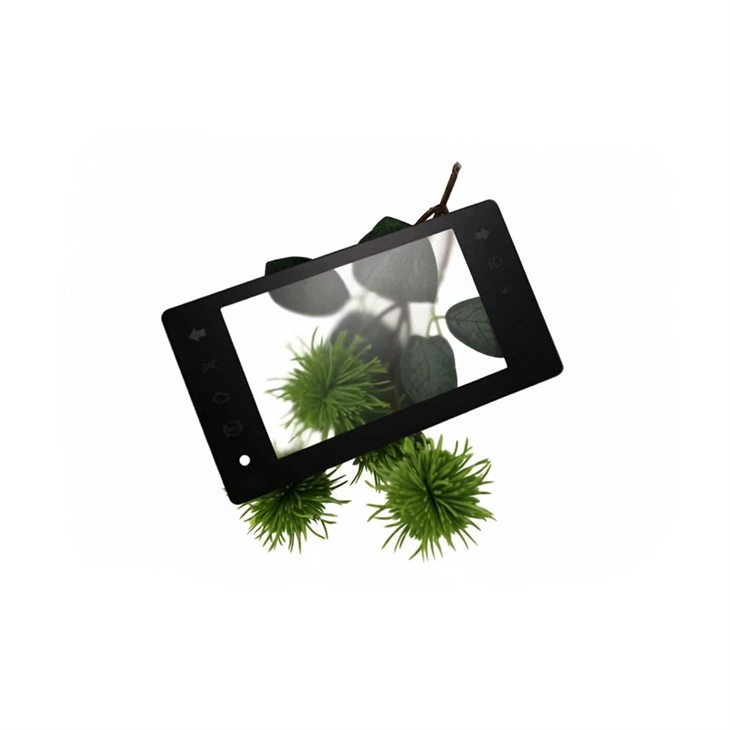
The main applications of anti-fog glass include the automotive and transportation sectors, the building and home furnishing sectors, and specialized industrial sectors. In the automotive and transportation sector, anti-fog glass is used for defogging the bottom of windshields, side windows and rearview mirrors, panoramic sunroofs in new energy vehicles, and rear window defrosting and defogging in commercial vehicles. In the building and home furnishing sector, anti-fog glass is used in bathroom mirrors, shower room glass, museum display cases, cold storage observation windows to prevent condensation, curtain walls and sunroofs in high-rise buildings, and observation windows in special environments such as hospitals and laboratories. In specialized industrial sectors, anti-fog glass is used for defogging drone camera covers, protecting outdoor monitoring equipment, observation ports in low-temperature experimental equipment, and aerospace vehicle portholes.
Electrically heated anti-fog glass mainly consists of tempered glass and a transparent electroplated film embedded layer, with the electroplated film embedded in the middle of the tempered glass. Its working principle is that after the glass is energized, the surface temperature rises to 35℃-40℃, keeping the heated surface temperature at or slightly above the glass surface temperature, thus preventing fogging and frost formation. Electric heating glass achieves defogging and defrosting functions by heating the laminated glass, which has good safety. It has good optical performance with a light transmittance of ≥90%. It uses conductive wires and thermally conductive films as the interlayer heating medium, and there is no light emission or refraction phenomenon, which helps to maintain a clear field of vision.