


Hey there! As a supplier of Micro Thin Glass Sheets, I've been getting a lot of questions lately about whether these sheets are used in 3D displays. Well, let's dive right into it and explore this topic.
First off, what are micro thin glass sheets? These are ultra - thin glass materials that have some really cool properties. They're incredibly lightweight, which is a huge plus in many applications. They also offer high transparency, which is essential for displays, and they can be made with a high level of precision.
Now, let's talk about 3D displays. 3D displays are all about creating an immersive visual experience. They use various technologies to make objects on the screen appear to have depth. There are different types of 3D displays, like those that require special glasses and glasses - free ones.
So, are micro thin glass sheets used in 3D displays? The answer is a big yes! One of the main reasons is the transparency factor. In a 3D display, you want the images to look as clear and sharp as possible. Micro thin glass sheets can provide that high - level of transparency, allowing the 3D images to shine through without any significant distortion.
Another important aspect is the weight. 3D displays are often used in devices like smartphones, tablets, and even laptops. These devices need to be lightweight and portable. Micro thin glass sheets fit the bill perfectly. They add very little weight to the device, making it more comfortable to carry around.
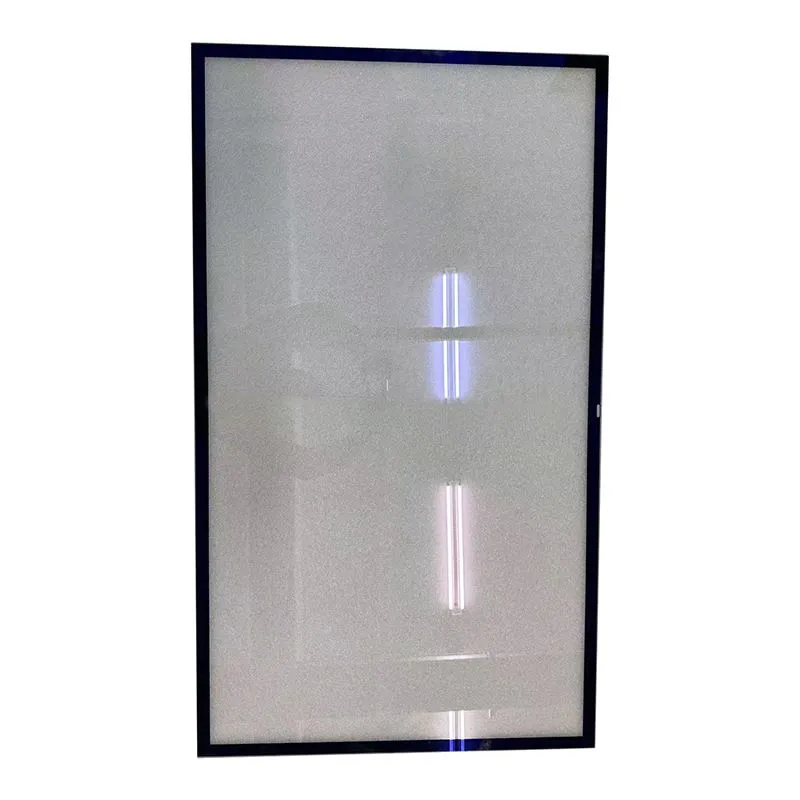
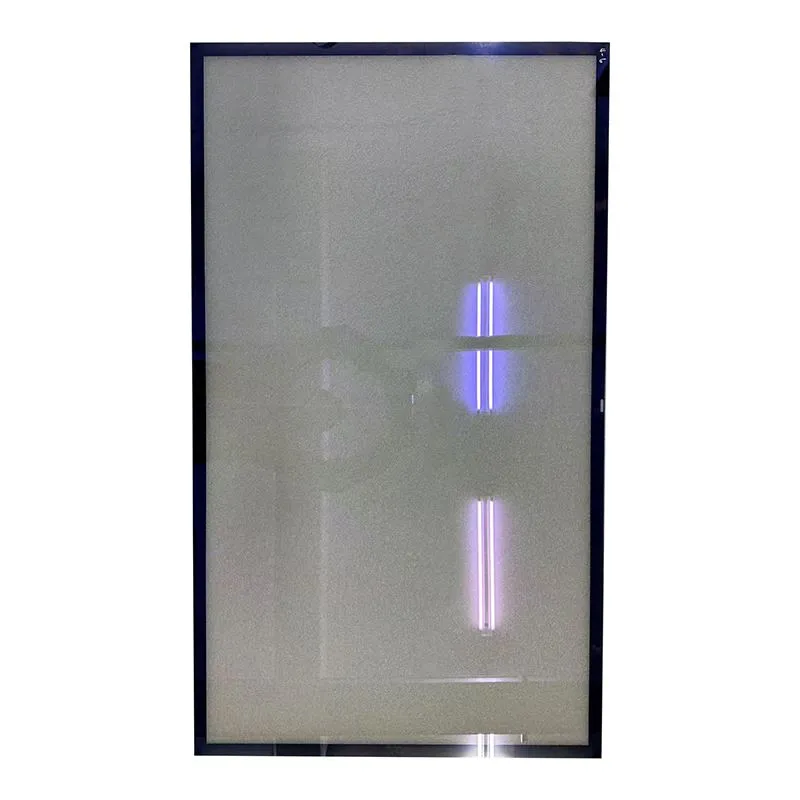
Let's also consider the durability. Micro thin glass sheets can be engineered to be quite strong. They can resist scratches and minor impacts, which is crucial for a display that might be handled frequently. For example, Scratch - resistant AR Coated Glass is a type of glass that can be used in 3D displays. It not only resists scratches but also has an anti - reflective coating, which helps in reducing glare and improving the overall viewing experience.
In addition to scratch resistance, the anti - reflective properties are also important. In a 3D display, you don't want any reflections on the screen that could interfere with the 3D effect. AR coatings, like the ones in Ar Coating Blue Light, can help in minimizing reflections and enhancing the clarity of the 3D images.
Heat management is another factor. 3D displays can generate a fair amount of heat, especially when they're in use for long periods. Micro thin glass sheets can be designed to be heat - resistant. Heat Proof Glass Sheet is a great example. It can withstand high temperatures without warping or cracking, ensuring the longevity of the 3D display.
When it comes to the manufacturing process of 3D displays, micro thin glass sheets are relatively easy to work with. They can be cut, shaped, and bent according to the specific requirements of the display. This flexibility allows manufacturers to create unique and innovative 3D display designs.
Now, let's look at some real - world examples. In the smartphone industry, many high - end models are starting to incorporate 3D display technology. These phones use micro thin glass sheets to enhance the 3D viewing experience. The glass provides a clear and sharp display, making the 3D games and videos look amazing.
In the entertainment industry, 3D displays are becoming more and more popular in theaters and home theaters. Micro thin glass sheets can be used to create large - scale 3D displays that offer a truly immersive experience. They can be used in combination with other technologies, like projection mapping, to create stunning visual effects.
However, it's not all sunshine and rainbows. There are some challenges when using micro thin glass sheets in 3D displays. One of the main challenges is the cost. Manufacturing micro thin glass sheets with the required properties can be expensive. This can increase the overall cost of the 3D display, which might make it less accessible to some consumers.
Another challenge is the fragility. Although micro thin glass sheets can be made to be strong, they are still relatively thin and can be more prone to breakage compared to thicker glass. This means that extra care needs to be taken during the manufacturing, transportation, and handling of the 3D displays.
Despite these challenges, the benefits of using micro thin glass sheets in 3D displays far outweigh the drawbacks. As technology continues to advance, we can expect to see more and more 3D displays using micro thin glass sheets.
If you're in the business of manufacturing 3D displays or are looking to upgrade your existing displays, I'd highly recommend considering micro thin glass sheets. They offer a range of benefits that can enhance the performance and quality of your 3D displays.
If you're interested in learning more about our micro thin glass sheets or are looking to place an order, feel free to reach out. We'd be more than happy to discuss your specific needs and provide you with the best solutions. Whether you need scratch - resistant, anti - reflective, or heat - proof glass sheets, we've got you covered. Let's work together to take your 3D displays to the next level!
References
- Various industry reports on 3D display technology
- Research papers on the properties and applications of micro thin glass sheets


