


In the world of glass materials, heat proof glass sheets and borosilicate glass are two prominent players, each with its own unique set of properties and applications. As a supplier of heat proof glass sheets, I'm often asked about how these two types of glass compare. In this blog post, I'll delve into the characteristics, advantages, and disadvantages of both, helping you make an informed decision for your specific needs.
Composition and Structure
Heat proof glass sheets are engineered to withstand high temperatures without cracking or shattering. They are typically made from a combination of silica, alumina, and other additives that enhance their thermal resistance. The manufacturing process involves precise control of temperature and chemical composition to create a glass with excellent heat tolerance.
On the other hand, borosilicate glass is a type of glass that contains boron trioxide, which gives it unique thermal and chemical properties. The boron trioxide helps to reduce the coefficient of thermal expansion, making borosilicate glass more resistant to thermal shock compared to regular glass. This means that it can withstand rapid temperature changes without breaking.
Thermal Resistance
One of the most important factors to consider when comparing heat proof glass sheets and borosilicate glass is their thermal resistance. Heat proof glass sheets are designed to handle extremely high temperatures, often up to 1000°C or more. This makes them ideal for applications such as industrial furnaces, fireplaces, and high-temperature cooking equipment.
Borosilicate glass also has good thermal resistance, but it generally has a lower maximum temperature limit compared to heat proof glass sheets. Borosilicate glass can typically withstand temperatures up to around 500-600°C, which is still sufficient for many applications, such as laboratory glassware, bakeware, and some types of lighting fixtures.
Thermal Shock Resistance
Thermal shock resistance is another crucial aspect to evaluate. Heat proof glass sheets are engineered to have excellent thermal shock resistance, meaning they can withstand sudden changes in temperature without cracking. This is achieved through a combination of their composition and manufacturing process, which helps to distribute the stress caused by temperature changes evenly throughout the glass.
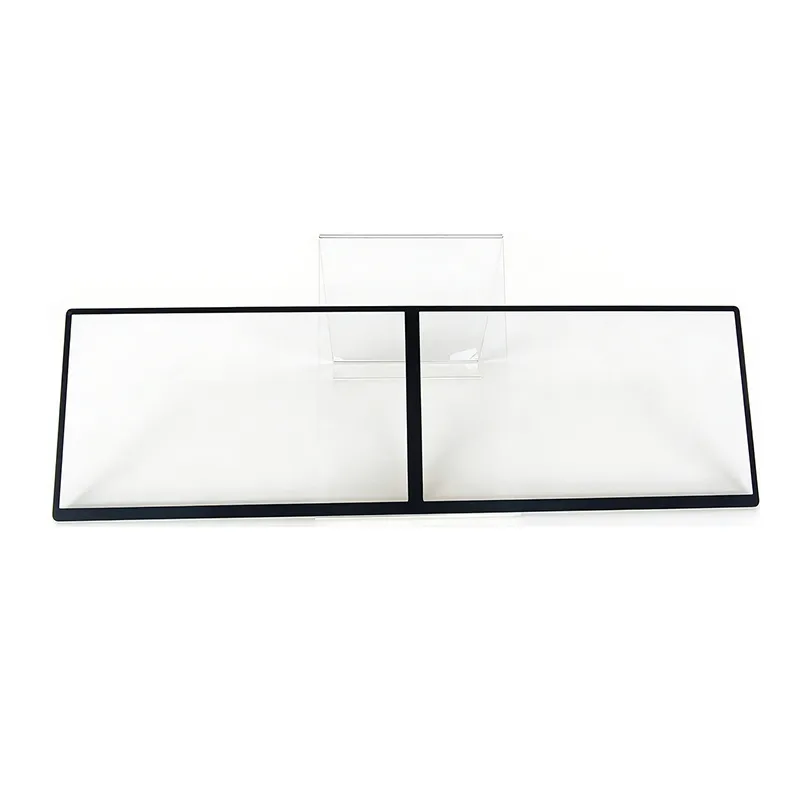

Borosilicate glass is also known for its good thermal shock resistance due to its low coefficient of thermal expansion. However, it may not be as resistant to extreme thermal shocks as heat proof glass sheets. In applications where rapid temperature changes are common, heat proof glass sheets may be the better choice.
Chemical Resistance
Both heat proof glass sheets and borosilicate glass have good chemical resistance. They are resistant to many acids, alkalis, and other chemicals, making them suitable for use in a variety of chemical and industrial applications. However, the specific chemical resistance of each type of glass can vary depending on its composition and the nature of the chemicals it is exposed to.
Optical Properties
In terms of optical properties, both heat proof glass sheets and borosilicate glass offer good clarity and transparency. They are often used in applications where visibility is important, such as windows, display cases, and optical lenses. However, heat proof glass sheets may have a slightly higher refractive index compared to borosilicate glass, which can affect the way light passes through the glass.
Applications
The different properties of heat proof glass sheets and borosilicate glass make them suitable for different applications. Heat proof glass sheets are commonly used in high-temperature environments, such as industrial furnaces, fireplaces, and kilns. They are also used in applications where thermal shock resistance is critical, such as in some types of cooking equipment and automotive applications.
Borosilicate glass, on the other hand, is widely used in laboratory glassware, bakeware, and lighting fixtures. Its good thermal shock resistance and chemical resistance make it a popular choice for these applications. It is also used in some types of windows and display cases due to its clarity and transparency.
Cost
Cost is an important factor to consider when choosing between heat proof glass sheets and borosilicate glass. Heat proof glass sheets are generally more expensive than borosilicate glass due to their higher thermal resistance and more complex manufacturing process. However, the cost can vary depending on the specific requirements of the application and the quantity of glass needed.
Conclusion
In conclusion, both heat proof glass sheets and borosilicate glass have their own unique advantages and disadvantages. Heat proof glass sheets offer higher thermal resistance and better thermal shock resistance, making them suitable for high-temperature applications. Borosilicate glass, on the other hand, has good thermal shock resistance and chemical resistance, and is commonly used in laboratory and household applications.
When choosing between the two, it's important to consider the specific requirements of your application, including the temperature range, thermal shock resistance, chemical resistance, and optical properties. If you need a glass that can withstand extremely high temperatures and rapid temperature changes, heat proof glass sheets may be the better choice. If you're looking for a glass with good thermal shock resistance and chemical resistance for laboratory or household use, borosilicate glass may be more suitable.
As a supplier of heat proof glass sheets, I'm here to help you find the right glass for your needs. If you have any questions or need further information, please don't hesitate to [contact me for procurement and negotiation]. We also offer a range of other glass products, such as Super Hydrophobic Glass, Ar Coating Blue Light, and Anti Glare Glass Sheet.
References
- "Glass Science and Technology" by D. R. Uhlmann and N. J. Kreidl
- "Handbook of Glass Properties" edited by M. Tomozawa and R. H. Doremus
- "Thermal Properties of Glasses" by C. R. Kurkjian and H. H. Lewis


